STONELIFE. The Microbeplanetary Architecture of Lithoecosystems
19th International Architecture Exhibition La Biennale di Venezia, 2025, Exhibition
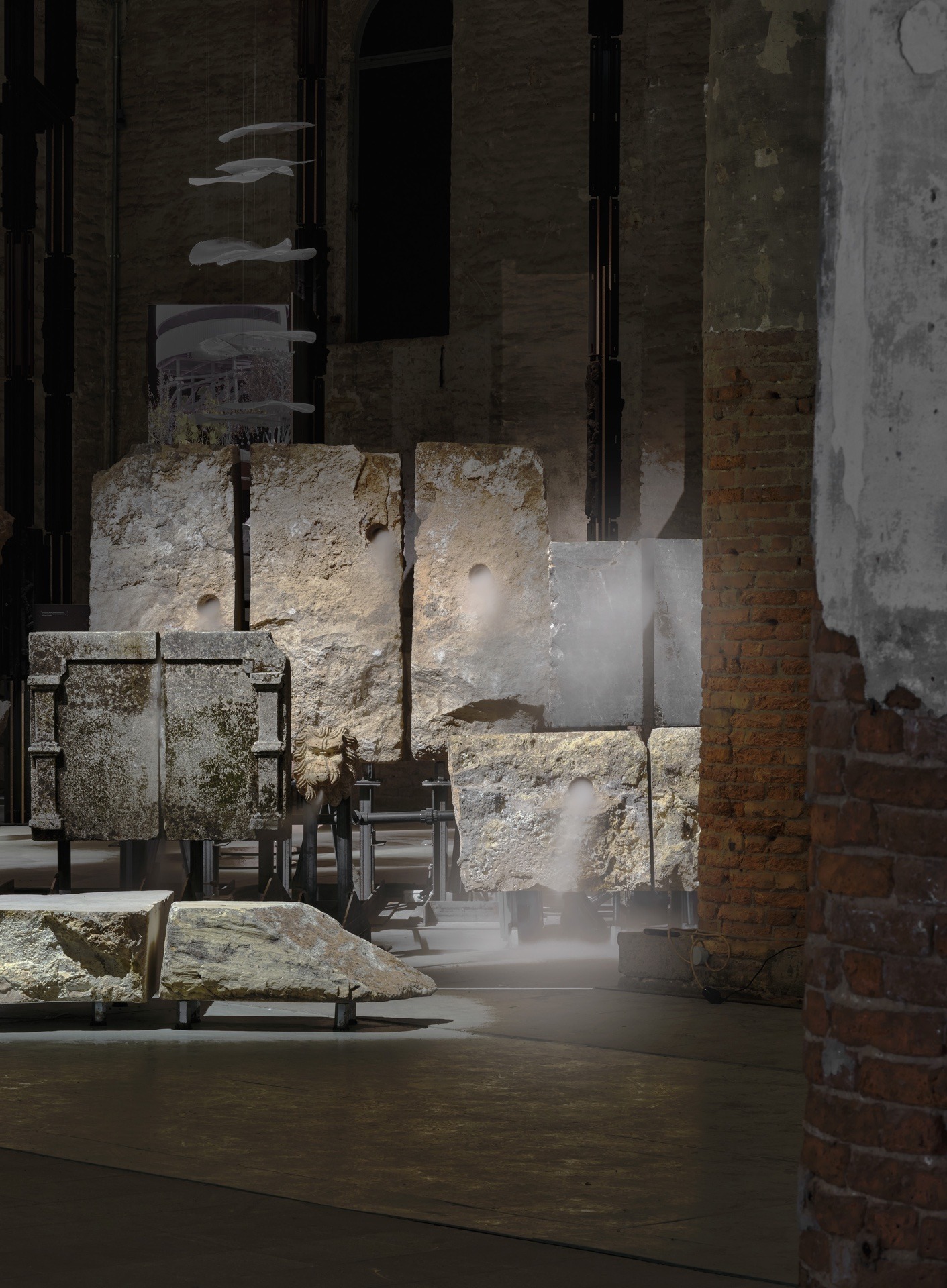
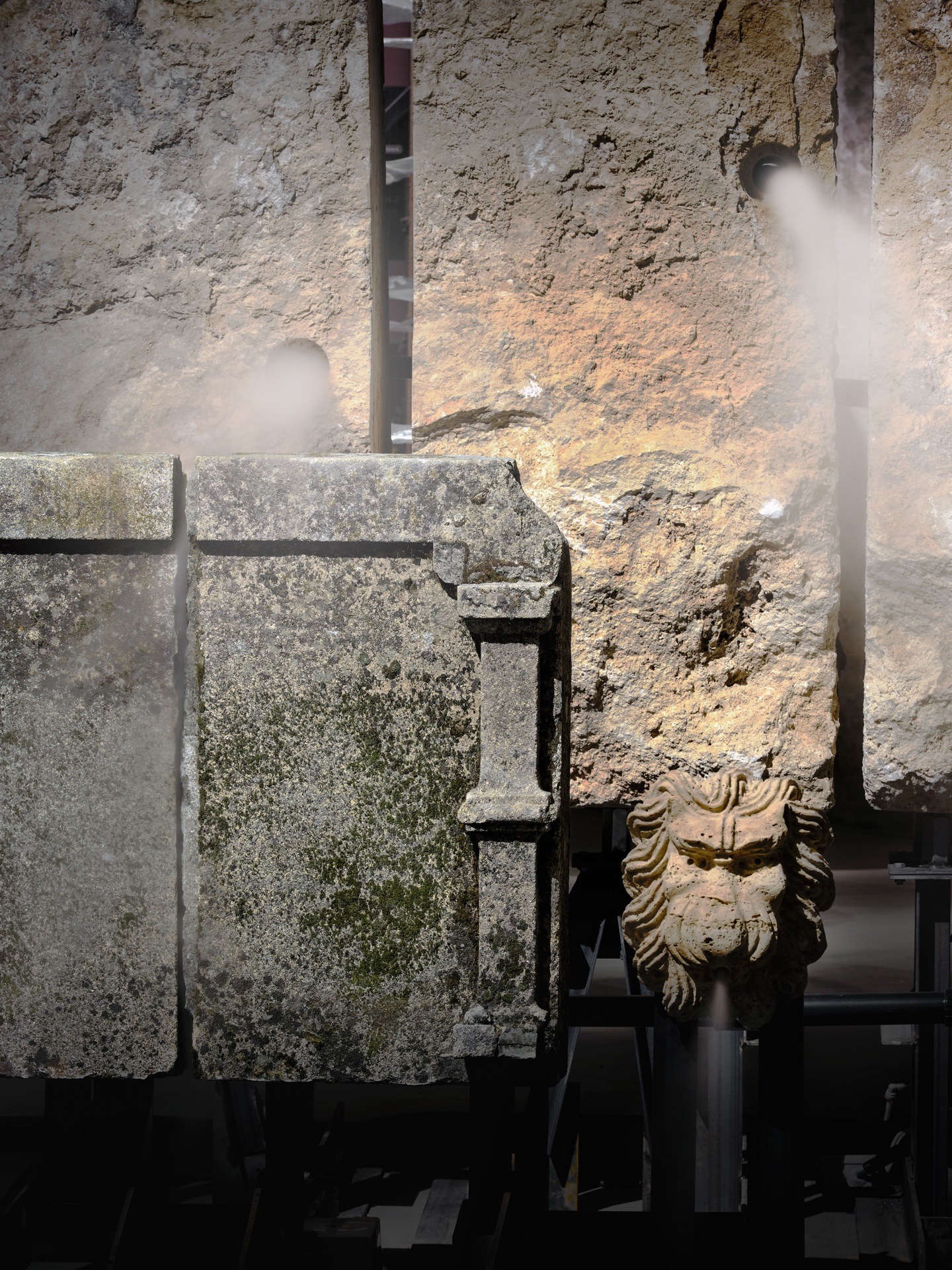
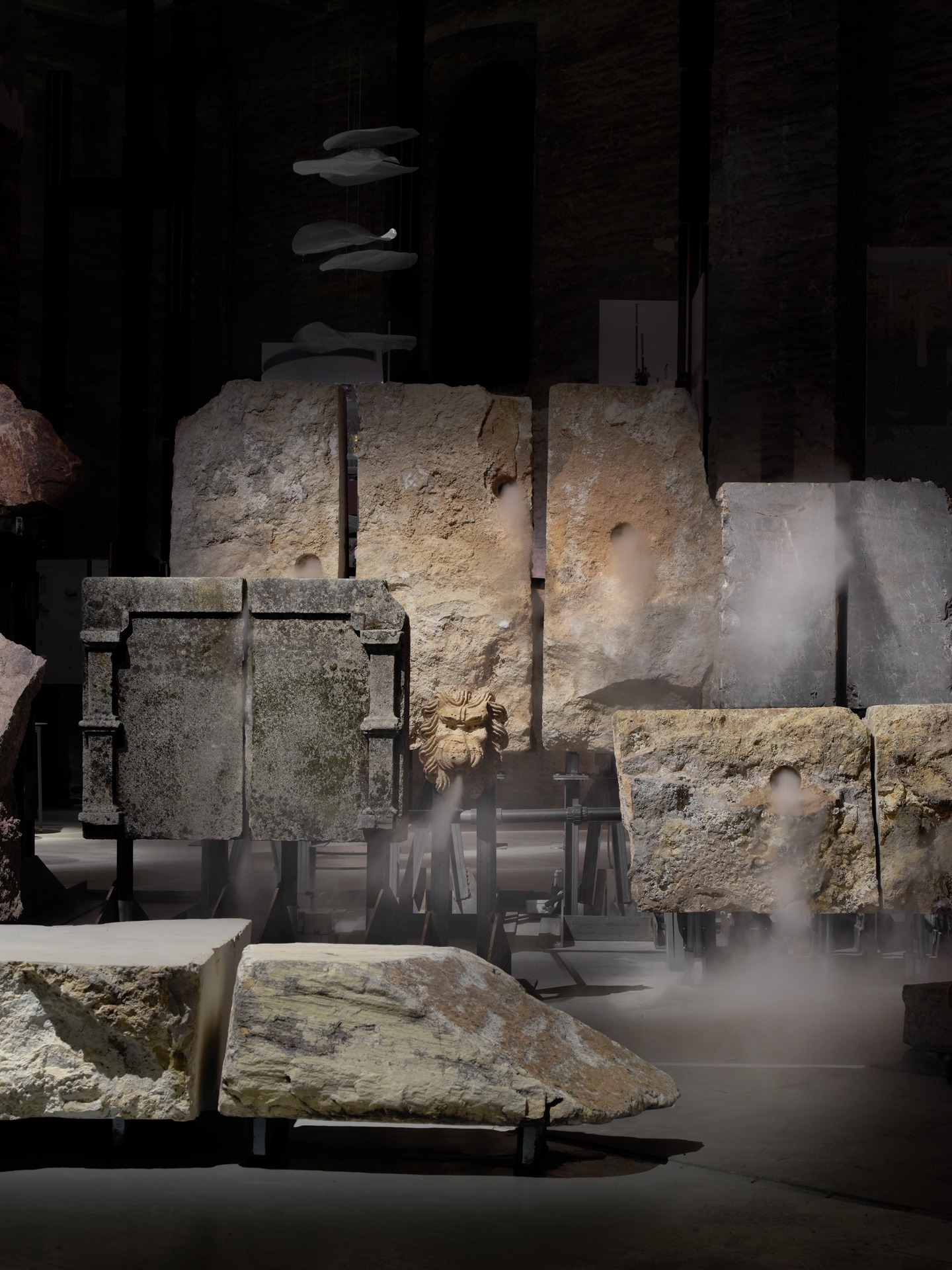
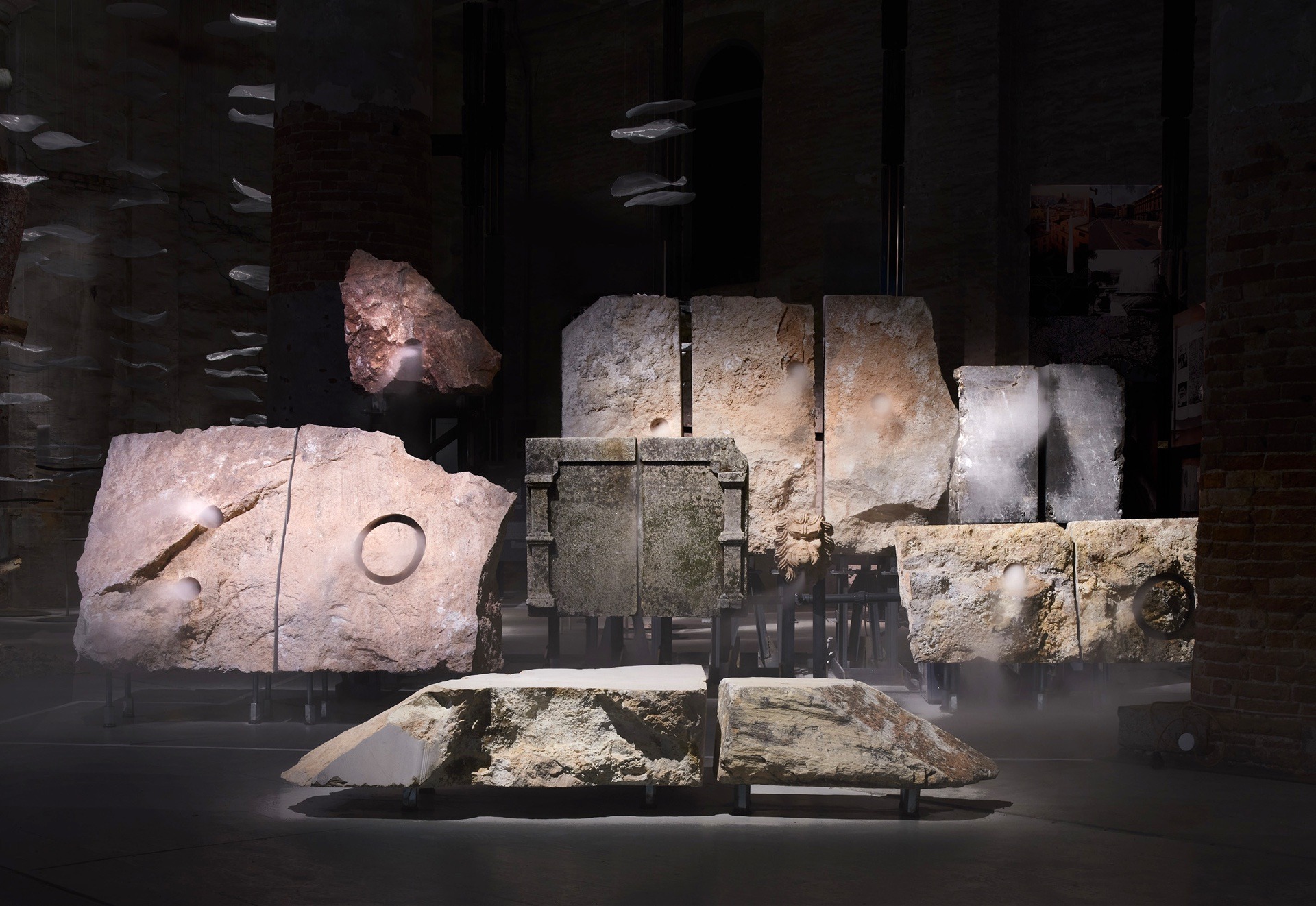
Stones are often seen as the opposite of life, but they are not.
The stones have been and are one of the most important subjects of colonization and extractivism. How rocks have been sliced, grinded, polished, and plasticized shows the violence inflicted on ecosystems and human communities that depend on them.
Andrés Jaque / Office for Political Innovation collaborate with mineralist Gokce Ustunisik to mobilize the ecosystems that rocks are as the transscalar relationships between the microbial, disfranchised communities around the world, and the planetary can be rearticulated, confronting the material foundations of the world’s colonial carbonization. Blinded by modern positivism, building preservation practices often consist on the destruction of the litho-ecosystems of the stones’ ecology. Minerals, bacteria, fungi, algae, lichens are intrinsically inseparable and coproduce each other, through minero-microbial sociability. This contains a response to planetary challenges, since the biology of stones exceeds forests and oceans in their capacity to permanently sequestrate atmospheric carbon through biomineralization. The litho-ecosystems of the stones are nurtured and worshipped by cultures around the world. It is now known that far from destroying buildings, these litho-ecosystems are crucial contributors to the structural performance of ceramic and stone infrastructures.
The STONELIFE Project affirms stones as a planetary extensive site for transspecies mutual care. Digitally-controlled jet nozzles spray a solution containing microbe DNA, and creates the conditions to multiply carbon-mineralizing ecologies on the external crust of the stones. It affirms the naïveté of modern positivism in comparison with practices and cosmologies from Aboriginal, Quechua, Aymara and Lakota peoples.
Stone grows becoming a warehouse for crystalized carbon. Applied on the world’s massive presence of stone façades, turning a big part of the built environment into a planet-scale climate reparation infrastructure.
Credits
- STONELIFE. THE MICROBEPLANETARY ARCHITECTURE OF LITHOECOSYSTEMS By Andrés Jaque / Office for Political Innovation In partnership with Gokce Ustunisik (Department of Geology & amp; Geological Engineering and Curator of Minerals at Museum of Geology, South Dakota Mines University)
- Technical Collaborators Tanvi Govil, South Dakota School of Mines and Technology, United States; José María Miñarro, M-Marble / 18 Pies de Altura; Antonio Alfonso, Toni Postius
- Team Members Office for Political Innovation: Roberto González, Gema Marín
- Photographs José Hevia
- Video Edition Alicia Buades